

The habit that matters more than any gadget
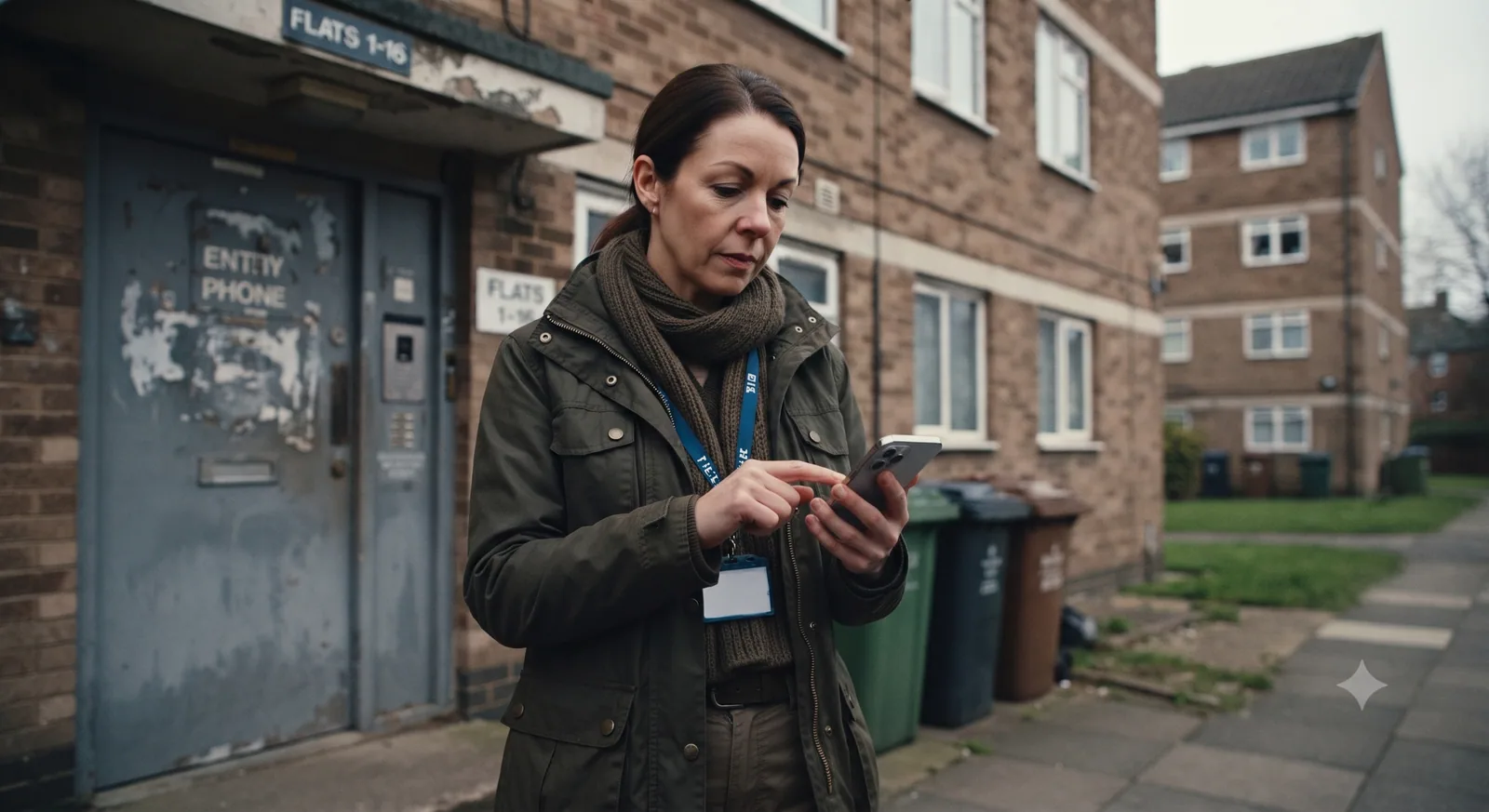
Personal safety is mostly about noticing early and having somewhere to go. People who avoid trouble tend to spot it sooner and change what they are doing sooner, not because they are braver but because they were paying attention and had already thought about their options. No app substitutes for that. The practical version is simple: know where you are, notice who is around, and keep an exit in mind.
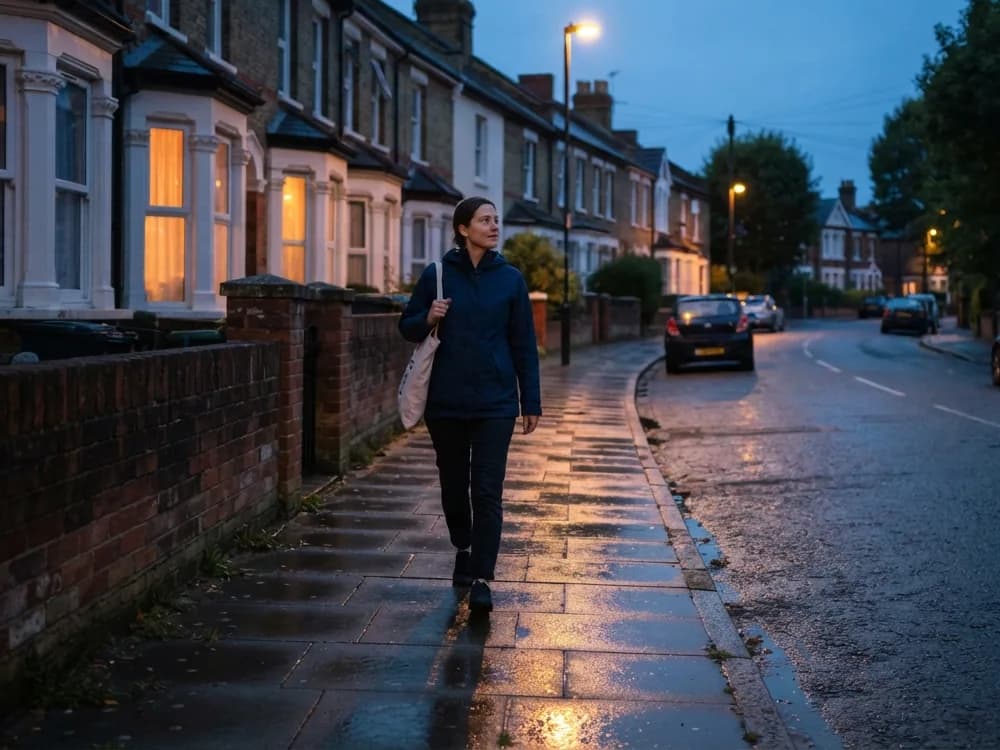
- Look up. Headphones in and eyes on a phone removes both your warning systems at once.
- Know where you are well enough to say it out loud to a call handler.
- Have a next move in mind: a shop, a busy street, a lit forecourt.
- Trust discomfort. Acting early on a feeling costs nothing if you are wrong.
Being findable in an emergency
If you need help, the first question is where you are. That is harder than people expect on a footpath, in a park, on a rural road or in a large car park. what3words divides the world into three-metre squares each with a unique three-word address, and UK emergency services can take a what3words reference. It works offline for reading your location, though you need signal to send it. Knowing how to find that reference before you need it is worth more than installing it and forgetting about it.
- Install a location app and open it once so you know where the reference appears.
- Practise reading your location aloud. Under stress, unfamiliar screens are hard.
- Emergency SOS on modern phones can share location automatically. Find it in your settings now, not later.
- In the UK you can register for emergencySMS to text 999 where you cannot speak. Registration must be done in advance.
Walking and running
Routine is the main vulnerability. A run at the same time, on the same route, alone, tells anyone paying attention exactly where you will be and when. Vary it. Tell someone your route when it is isolated or after dark, and give them a time you expect to be back rather than a vague intention.
- Vary route and timing, particularly for anything you do daily.
- Share a route and an expected return time for isolated or after-dark journeys.
- One earphone out, or bone-conduction headphones, so you keep your hearing.
- Carry something to make noise. Attention is the point, not confrontation.
- Prefer lit, populated routes even where they are longer.
Driving and vehicles
Most vehicle risk sits at the start and end of a journey, not on the road. Approaching a car in an empty multi-storey, sitting stationary with the doors unlocked, or breaking down somewhere isolated are the moments that matter. Fuel and charge are safety considerations, not just convenience: running low narrows your options at exactly the wrong time.
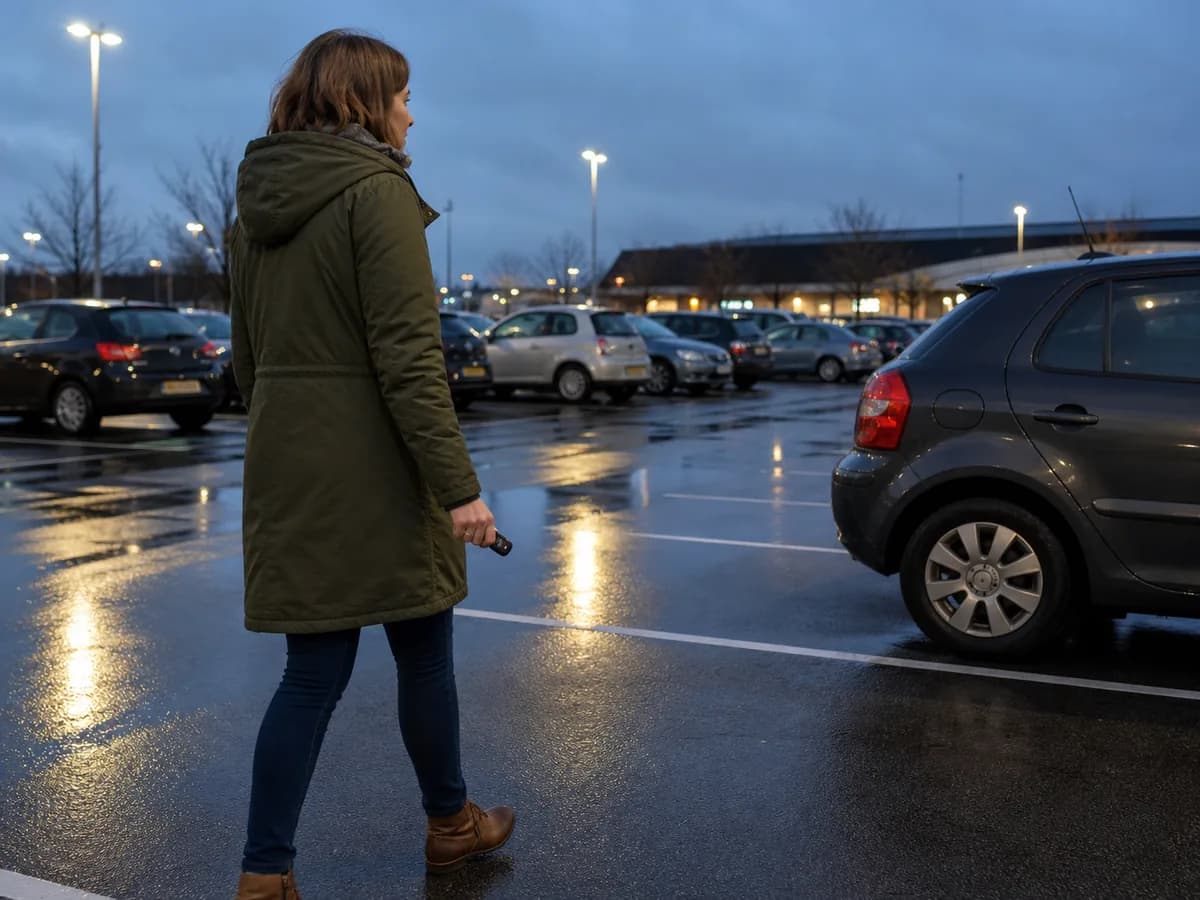
- Have keys ready before you approach. Do not stand at the door searching.
- Check the back seats as you approach, then lock the doors as you get in.
- Park for the return journey, not the arrival. Think about what the space will be like at night.
- Keep fuel or charge above a quarter. Options shrink as the gauge drops.
- If you think you are being followed, drive somewhere busy and lit. Do not drive home.
Taxis and private hire
The distinction people miss is that a licensed hackney carriage can be hailed on the street, but a private hire vehicle must be booked in advance and cannot legally be flagged down. Anyone offering an unbooked ride outside a venue is not operating legally, whatever the vehicle looks like. Book through an app or a known operator, and check the vehicle matches before you get in.
- Check registration, make and driver against the booking before opening the door.
- Ask the driver who they are collecting rather than confirming your own name.
- Sit in the back, on the opposite side from the driver.
- Share your journey through the app if it supports it.
- If you feel uneasy, end the journey somewhere busy. You do not need a reason.
Public transport
Waiting is the exposed part, not the travelling. Empty platforms, unstaffed stops and the walk at either end carry more risk than the vehicle itself. Where a carriage is empty late at night, being near other people or near the driver is usually better than having space to yourself.
- Wait in lit, populated, covered areas near staff or cameras where possible.
- Choose a carriage with other people in it rather than an empty one.
- Know the help points and where staff are on your regular routes.
- In England, Wales and Scotland you can text British Transport Police on 61016.
- Plan the walk at the end of the journey, which is often the least considered part.
Safety apps: what they do and do not do
Personal safety apps generally do one of three things: share your live location with chosen contacts, run a timed check-in that raises an alert if you do not confirm you are safe, or connect you to a monitoring centre that can escalate. The first two rely on someone you know noticing and acting. Only the third involves anyone whose job it is to respond, and that is normally a paid service. Free apps are useful, but be clear which of these you have, because the difference matters at the moment you need it.
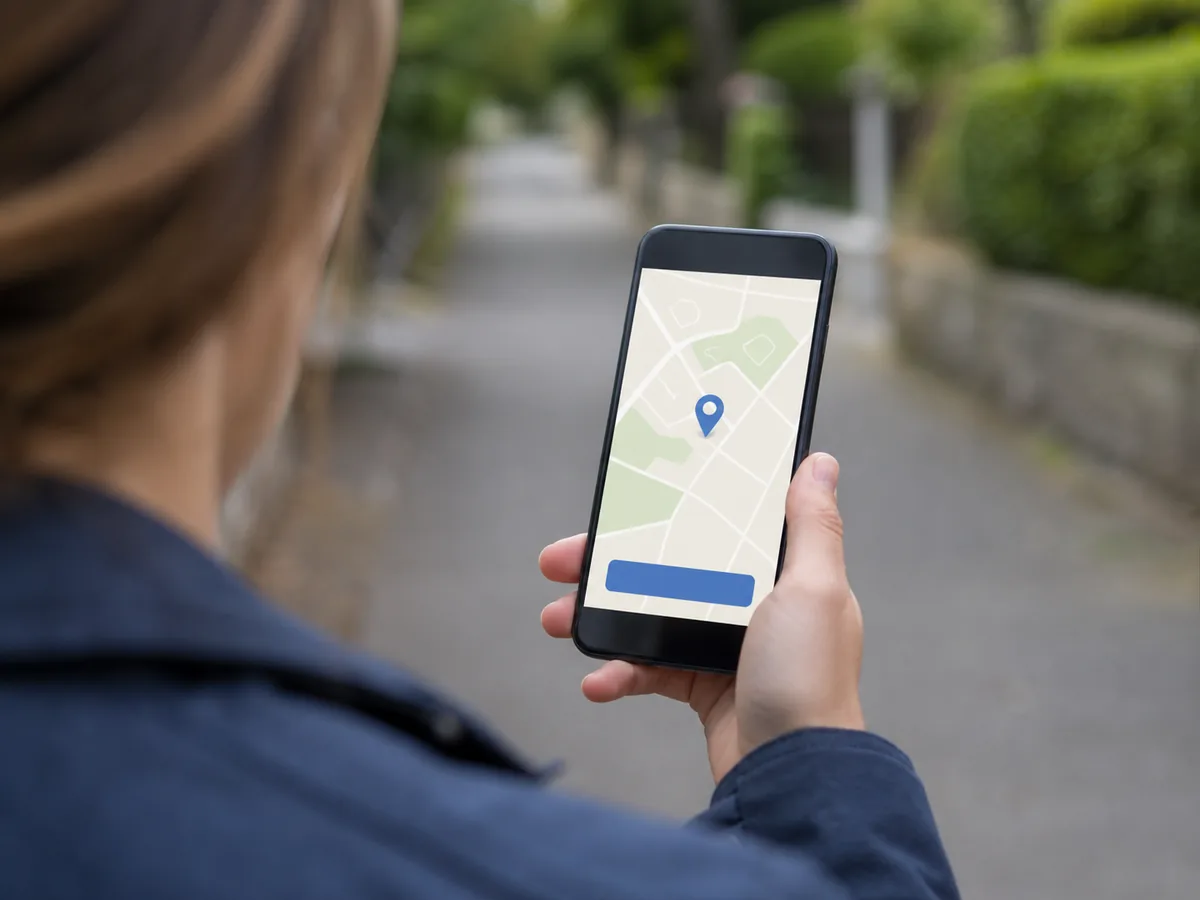
- Location sharing works only if the person receiving it is watching and knows what to do.
- Timed check-ins need someone briefed on what missing one means and who to call.
- Monitored services involve a trained responder and normally a subscription.
- Test whichever you choose, with the person on the other end, before relying on it.
- Battery is the single point of failure for all of them.
If something happens
Reporting matters beyond your own case. Patterns change how areas are policed and how employers assess risk, and incidents that go unreported cannot inform either. Report even where nothing was taken and no one was hurt, and particularly where behaviour was targeted or repeated.
- 999 in an emergency or where a crime is in progress. 101 for non-urgent reporting.
- Report to 999 by text if registered with emergencySMS and you cannot speak.
- Write down what you remember as soon as you can. Detail fades quickly.
- Tell your employer where it relates to work travel, even off the clock.
- Ask about support. Victim support services are free and independent of any decision to prosecute.
The short version
What to take away
- Noticing early and having an exit in mind matters more than any device you carry.
- Know how to state your location precisely. what3words gives a three-metre reference UK emergency services accept.
- Routine is the main vulnerability in anything you do daily. Vary route and timing.
- Location sharing and timed check-ins depend on a person noticing. Only monitored services involve someone whose job it is to respond.
- Text 999 requires advance registration with emergencySMS. Do it before you need it.
- Report incidents even when nothing was taken. Patterns inform policing and employer risk assessment.
- This is general guidance for sharing with staff. It does not replace your organisation's risk assessment, lone working arrangements or professional advice.
Safety Hub
Practical insight and resources built from thirty years at the frontline.
Workplace violence and aggression
Practical controls for violence, aggression, conflict, reporting and review.
Lone Worker Safety Centre
Guidance for staff who work alone, visit, travel, or need check-in and escalation.
Managing challenging phone calls
Abusive calls, repeated contact, boundary setting, records and escalation.
Notice, record and refer
What non-specialist staff should notice, record in fact, and refer.
Recognising boundary drift
Gifts, over-familiarity, unofficial contact and pressure to bend the rules.
Dog risk for visiting staff
What to check before a visit, and what to do if a dog is present.
Why live practice matters
How scenario practice tests real workplace decisions without theatrical conflict.
Personal safety away from the workplace
Travel, walking and public transport. Written for employers to share with staff.
Plan training around your staff and risks
Tell us about your staff roles, working environment and the situations your staff face. We will recommend the right training approach for your organisation.
Trusted by organisations across the UK for practical, scenario-led staff safety training.