


9 clusters shown




Guides
Workplace violence and aggression
Practical controls for foreseeable violence, aggression and conflict at work. Covers reporting, review and the employer decisions that sit around staff protection. Use it to shape procedures, not as a substitute for them. Linked guides cover changing risk in the moment and what happens after an incident.
Dynamic risk assessment
A working method for recognising when risk has changed. Pause, escalate, withdraw or adapt the plan instead of pushing on. Written for visiting and public-facing roles where the picture at the door is not the picture on the job sheet.
Post-incident support for staff
What to do in the hours and days after a distressing event. Immediate welfare, a supportive conversation, debriefing and a safer return to work. The organisation still needs its own reporting and occupational-health routes. This page does not replace them.
Issues and concerns
Urgent repairs at high-risk properties
How urgent visits should run when violence or aggression is foreseeable. The repair clock does not cancel staff-safety law. First situation in Issues and concerns.
Eviction and repossession-related visits
How housing visits linked to possession, eviction or repossession should run when violence or aggression is foreseeable. Possession pressure does not cancel staff-safety law.
Lone lettings, allocation visits and void inspections
How empty-property inspections, allocations viewings and lettings visits should run when violence or aggression is foreseeable. Empty does not mean safe.
Out-of-hours emergency repair call-outs
How night, weekend and lone emergency repair visits should run when violence or aggression is foreseeable. An emergency job sheet does not cancel staff-safety law.

Guides
Lone Worker Safety Centre
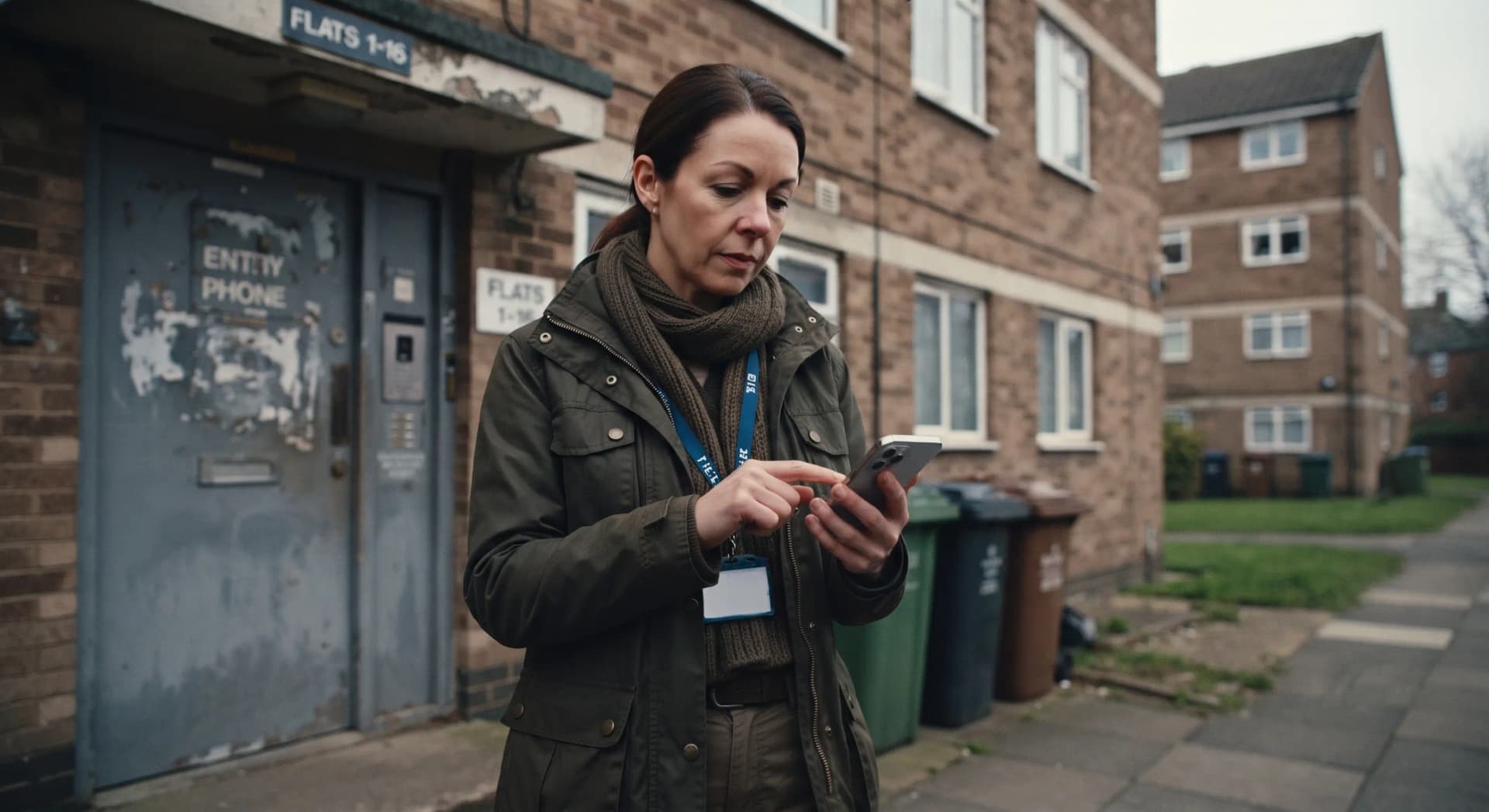
Core guidance for staff who work alone, visit clients, travel between sites, or need check-in and escalation. Start here for the control picture: supervision, devices, evidence and what managers own. Device, evidence and manager pages sit with this centre.
Lone worker personal safety devices
How to choose and introduce devices without treating technology as the whole control. Covers what a device can and cannot do, staff buy-in, and the procedures that still have to sit around it. Read this after the centre, not instead of it.
Staff device readiness
Daily checks, confidence and practice before a device is needed for real. A device that is not charged, not understood or not used is not a control. Written for managers who need staff to treat the kit as part of the job.
Incident evidence and reporting
Record what happened and preserve useful evidence after an incident or near miss. Covers notes, device logs and what to pass to managers. It is not a Reporting of Injuries, Diseases and Dangerous Occurrences Regulations 2013 (RIDDOR) decision tool and it is not legal advice.
Manager implementation toolkit
Turn lone worker arrangements into owned stages rather than a policy on a shelf. Who decides, who checks, and how the arrangement is reviewed. Use it with your own risk assessment and supervision model.
More in this centre
Guides
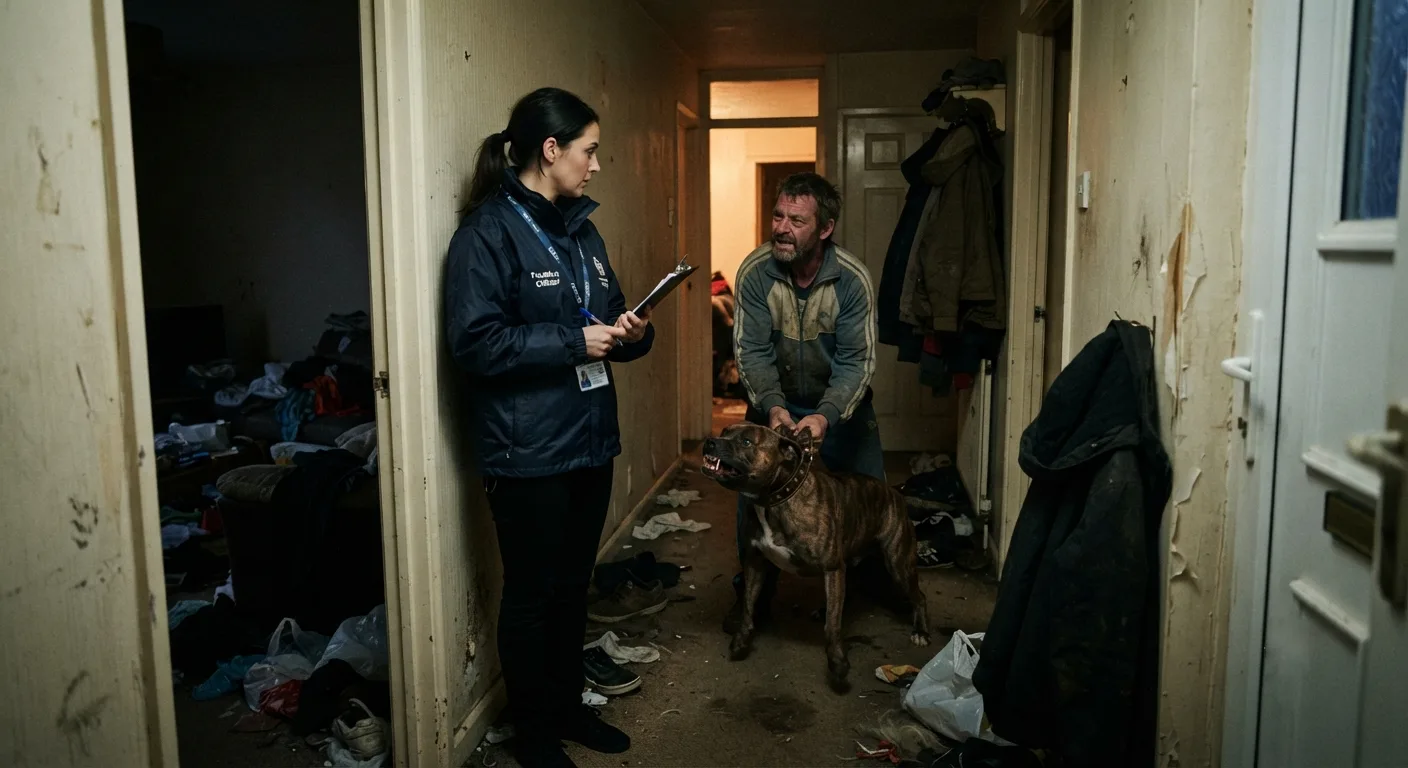
Dangerous dogs on visits
What to check before you cross the threshold, and what to do if a dog arrives mid-visit. Covers visiting staff, enforcement and kennels without turning housing officers into dog handlers. Statute detail stays in the legislation guide. This page is operational practice, not legal advice.
Kennels seized dogs resource
Practical guidance for kennel staff who receive, house, observe and record dogs already seized.
Guides
When staff are recorded or livestreamed
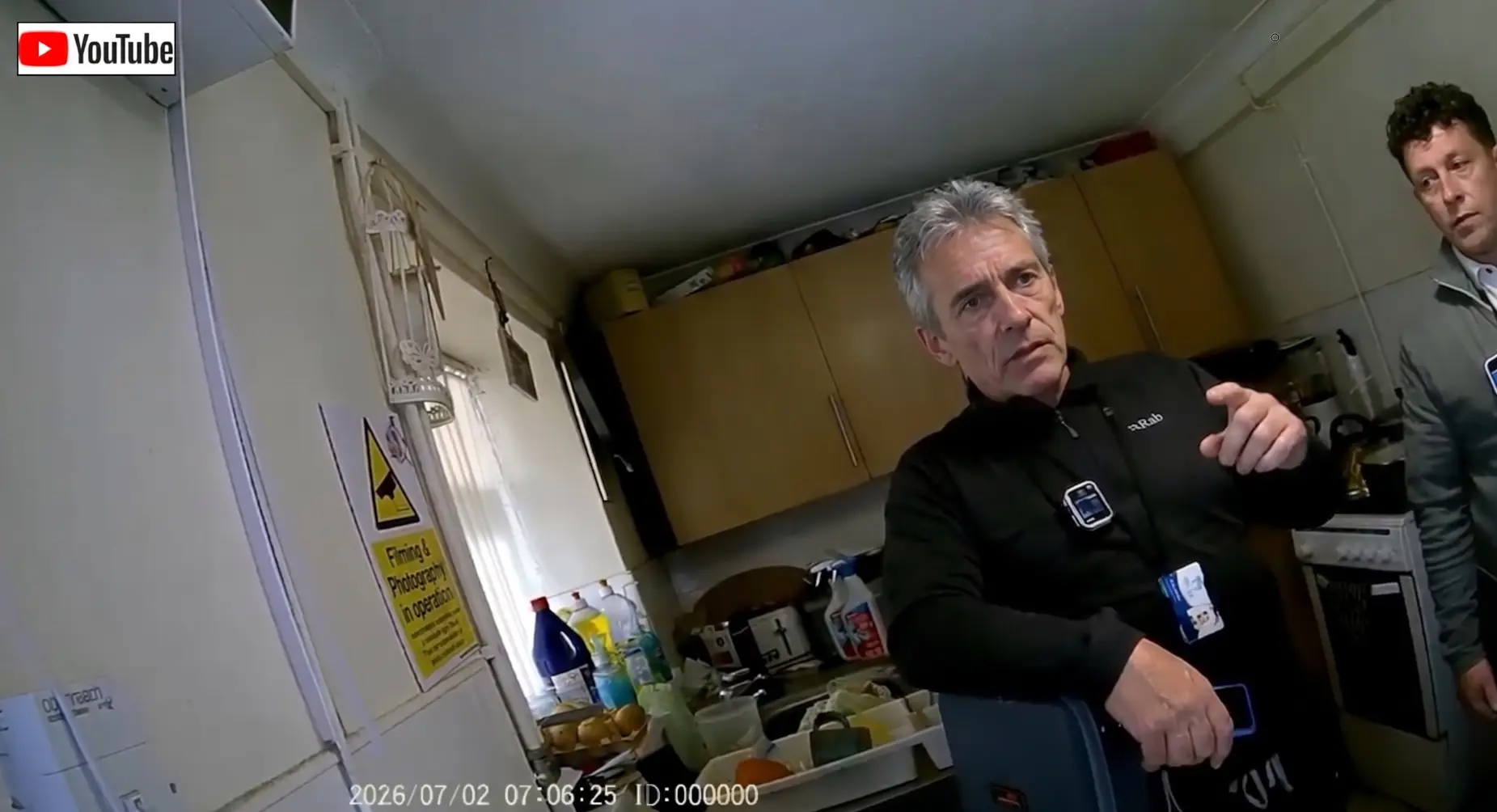
Phones, doorbells, closed-circuit television and smart devices filming frontline work. What staff can reasonably do in the moment, and what managers should decide in advance. This is not a ban on all recording. It is about foreseeable filming of public-facing work.
Protecting staff from online targeting
Naming, edited clips, doxxing risk and evidence after digital harm. Written for employers whose staff can be identified, followed or harassed online after a visit or an enforcement decision. Capture what happened. Then use your own reporting and welfare routes.
Body-worn cameras at work
Employer purpose, data protection, fair use, storage and evidence when the organisation issues cameras. This is the body-worn cameras guide. It is not a product endorsement and it is not a lawful-basis decision for every employer.


Plan training around your staff and risks
Tell us about your staff roles, working environment and the situations your staff face. We will recommend the right training approach for your organisation.
Trusted by organisations across the UK for practical, scenario-led staff safety training.